Les femmes sportives à Montréal au tournant du XXe siècle
- Speaker: Valérie St-Georges
- When: Thursday, October 15, 2020,19:30 to 21:00
- Where: In virtual mode
-
Lecture in French, followed by a bilingual question period.
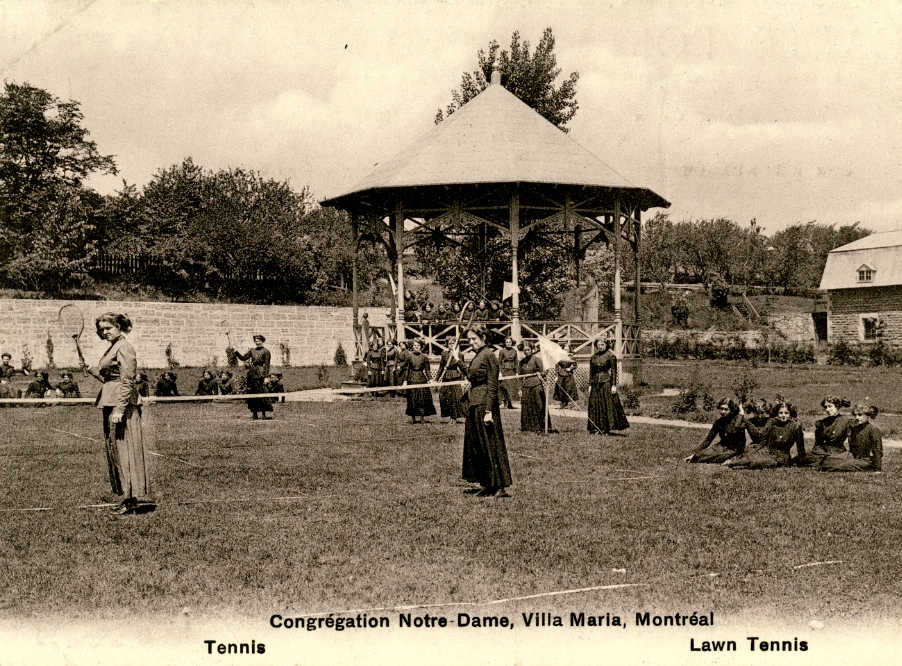 At the turn of the 20th century, more and more young women from the middle and upper classes were introduced to a variety of physical and sporting activities. In Montreal, many women practice activities such as tennis, golf, snowshoeing or skating, in a recreational setting. Some rare pioneers exploit instead their athletic abilities in private schools and universities or begin a competitive career. Yet, this enthusiasm of women for sports, a space dedicated for the building of male identity, is controversial. At a time when more and more young women are starting to claim their rights to vote and access male spaces, the emergence of the “New Woman” figure, this young sporty woman wearing lighter and masculine costumes (puffy panties/bloomers), tends to accentuate the anxiety around the disappearance of the “real woman”.
In fact, several issues underlie the practice of exercise and sports by women in the eyes of social actors of the time: how to promote exercise for general good health without risking its reproductive capacity? How to reconcile physical training and its potentially “virilizing” effects with the aesthetic ideal of feminity? Finally, how to encourage the participation of girls in certain forms of sports activities without exposing them to the public space? Fearful that they will develop protruding muscles, several social actors speak out against violent, brutal and unsightly physical activities such as boxing. Others are more particularly opposed to practices and gestures that can cause voluptuous sensations, such as riding a bicycle.
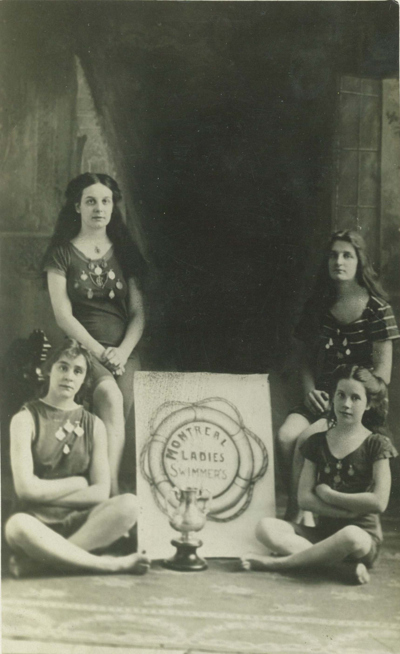 Still, in the 1920’s, women’s sports leagues are organized, and more and more women choose the competitive path. These inspiring and courageous athletes thus opened the door to the next generations.
Supported by various historical documents (photographs and extracts from articles published in medical, educational and feminine journals of the time), this conference will showcase some pioneers in the world of sports in Montreal and Quebec at the start of the 20th century and will highlight the difficult quest for the inclusion of women in a traditionally male sphere.
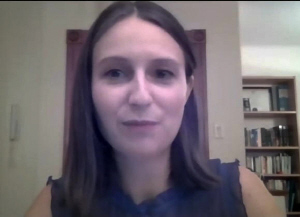 Valérie St-Georges
Currently a teacher at the Michèle-Provost Academy, Valérie St-Georges holds a master’s degree in history from the University of Montreal. Her master’s thesis, entitled “Strength, Grace, Flexibility”: Physical Education of Young French-Canadian Girls in Montreal (1860-1920), was supported by the Quebec Research Fund in Society and Culture and the Social Sciences and Humanities Research Council of Canada. Although her research focused more specifically on the history of female physical education in Quebec, Valérie St-Georges holds an interest for variegated aspects of women’s history. She presented at the UdeM Feminist Summer University (2019 Edition) and participated in the writing of the chapter devoted to the mayor Valérie Plante in Les Maires de Montréal .
(Ruelland, Jacques G. (dir.), Les Maires de Montréal. De Jacques Viger à Valérie Plante, Maison nouvelle fédération, 2019.)
================================================
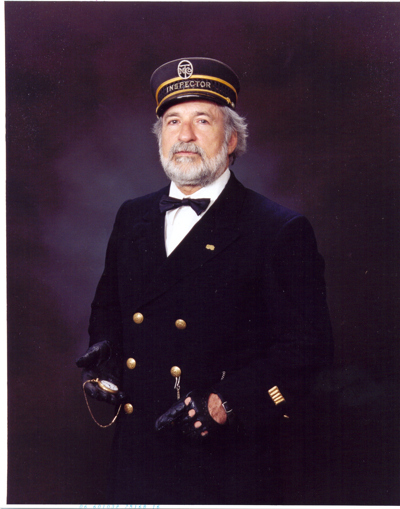 Daniel Laurendeau was born in Montréal in 1945. As early as 4 years old, he started his collection of City of Montreal transit related items. He is member of the Canadian Railroad Historical Association (CRHA) and volunteer at the Canadian Railway Museum at Delson / Saint-Constant since 1961. In 1985, he became Operator (Motorman) of streetcar tours on the Museum site, thus realizing his childhood dream. He presently sits on Exporail’s Board of Directors and Executive Committee and volunteers as a member of the Collections Committee. Beside his passion for trams, he had a successful career (35 years) at Honeywell Limited.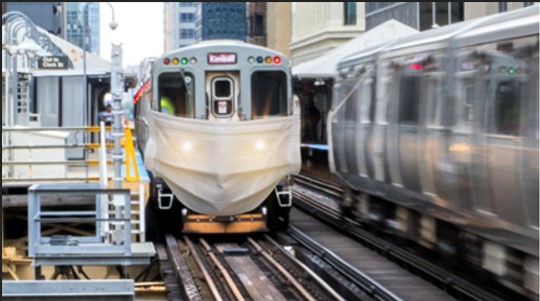
 Paulo Zegarra-Llerena will talk on the history of trains:

 director of Les Jardins de Métis /
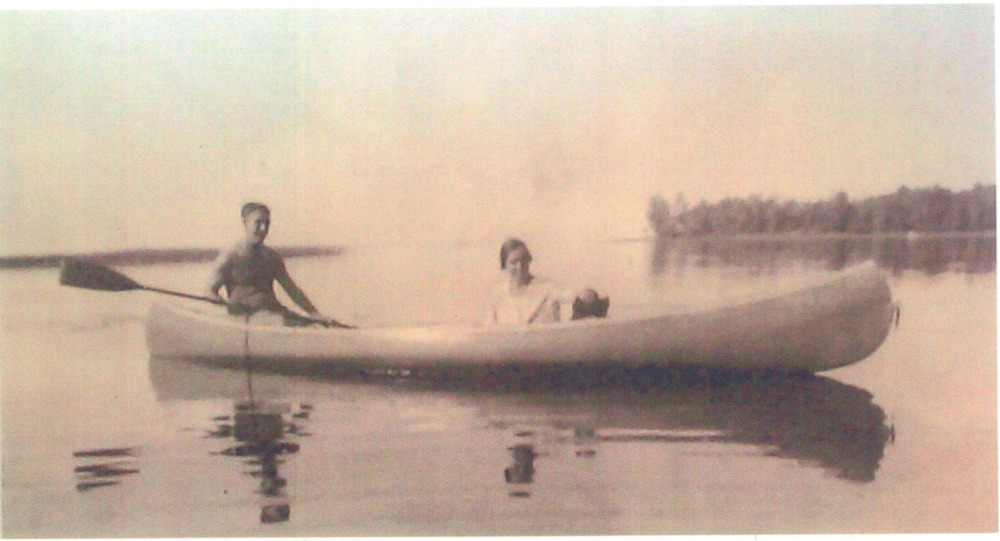 Pauline Faguy-Girard will present an overview of the different modes of transportation in Beaconsfield over the years. From canoeing on Lake St. Louis to the different modes of transportation used on our territory and by the citizens of Beaconsfield, of all ages.
 David Shuman is Director of Research & Development and Board member of the Montreal Centre of the Royal Astronomical Society of Canada (RASC). Long time space enthusiast, amateur astronomer, David Shuman has a passion for past present and future exploration missions to the red planet Mars. He co-created a full scale model for the CSA of the Phoenix Lander, attended numerous Shuttle and rocket launches as well as numerous public talks on the subject of Mars in Canada and the US.
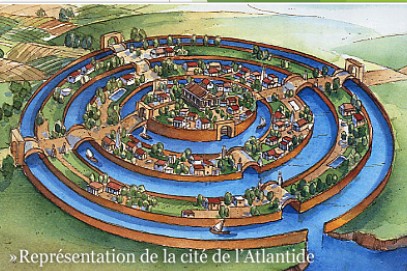
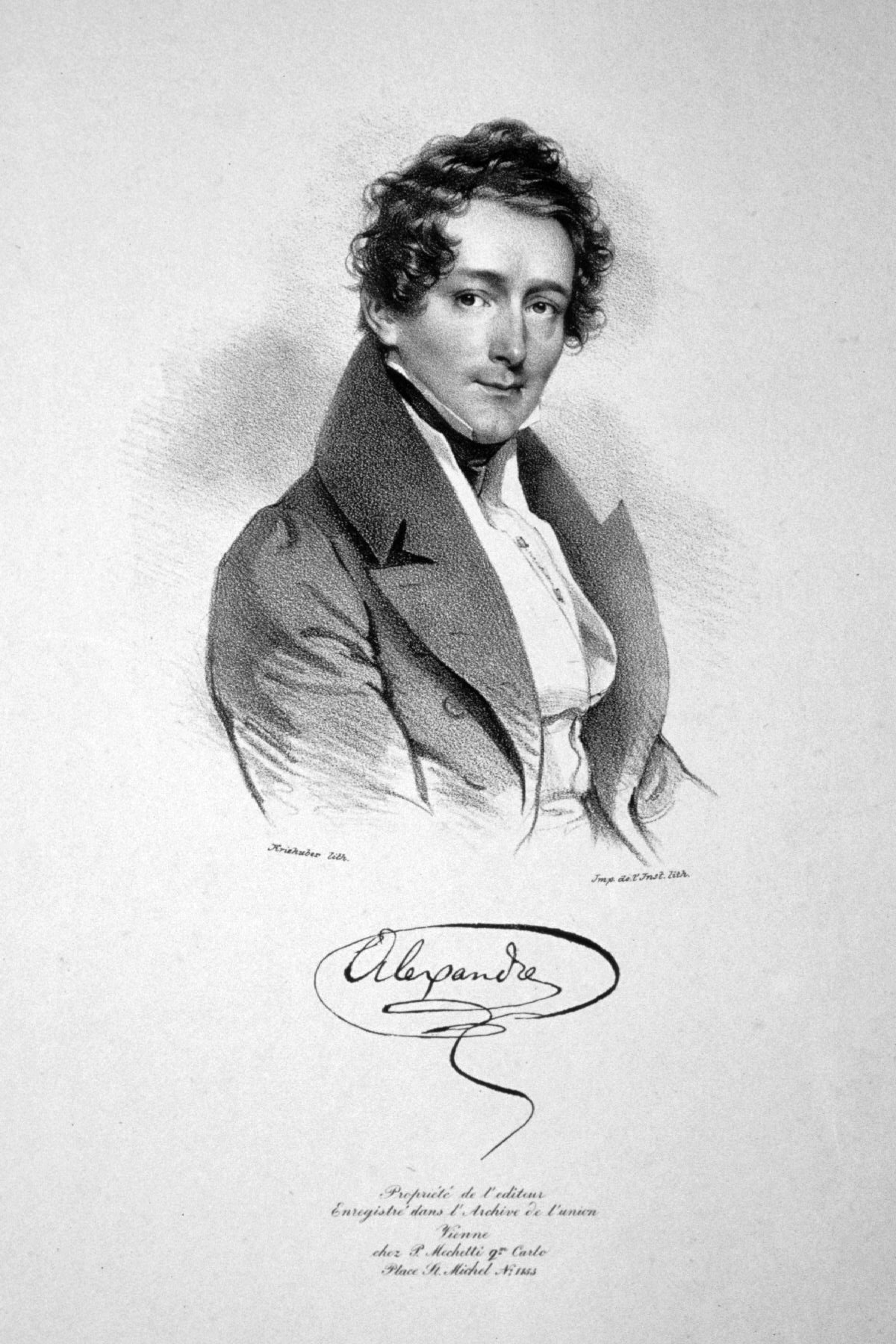 Alexandre Vattemare was born and died in Paris (1796-1864). He was a protean character. His exceptional talents of mime and ventriloquism earned him fame in post-Napoleonic Europe. If this man, esteemed by the rulers and the intellectual elite of his time, has gone down in history, it is because he has created an international system for the exchange of double specimens in the fields of arts, natural sciences , scientific and literary works, and advocated the construction of institutes bringing together many public services. He wanted to strengthen the bonds of friendship between groups of the human family and allow workers and poor people to learn easily. The purpose of this lecture is to identify the Vattemare project to build in Montreal and Quebec City, in 1840 and 1841, two institutes with multiple functions – real urban utopias – in order to break down national, linguistic, and cultural barriers through education, and in particular, free education of the workers and the poor.
 Jacques G. Ruelland, Ph.D., retired professor, Department of Philosophy, Collège Édouard-Montpetit; Department of History, Université de Montréal; authored 48 books.
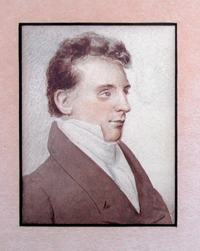 Robert Unwin Harwood was the spouse of Louise-Josephte de Lotbinière heiress of the Seigneurie of Vaudreuil. Robert Unwin is a rather fascinating character, a romantic Englishman who developed the Seigneurie of Vaudreuil during the troubled period of the Rebellion of 1837. Robert Unwin was quite a character, much loved by his French-speaking tenants or censitaires. He was able to attract the attention and sympathy of both his French Canadian and his English tenants, a rare case. I knew him through his grandson Henry de Lotbinière Harwood who introduced me to the English-speaking community of Hudson and helped me a lot in my career with his archives and his advice. For me, to speak of his great-grandfather is to pay tribute to one of the members of Quebec's English-speaking community who was committed to the flourishing of the French community in the region.